The Holistic Solution: A 4-Pillar Approach
1. Biological and Physical Assessment
- Comprehensive airway evaluation to identify anatomical factors contributing to obstruction, with referral to an ENT specialist if appropriate
- Jaw positioning and tongue posture analysis to understand functional breathing patterns
- Muscle tone assessment around the airway and oral structures
Pro Tip: Having your dentist check for teeth grinding (bruxism) is essential, as this is frequently associated with sleep apnoea and can indicate a compensatory effort by your body to maintain airway patency during sleep.
2. Nutritional and Chemical Balance
- Anti-inflammatory dietary choices to reduce airway tissue inflammation
- Maintenance of a healthy weight to reduce pressure on the airway tissues
- Avoidance of alcohol and sedatives near bedtime that relax throat muscles
Pro Tip: Try eliminating dairy products and gluten for two weeks to see if airway inflammation and congestion improve, as these common food sensitivities can exacerbate sleep apnoea symptoms in susceptible individuals.
3. Emotional and Mental Wellbeing
- Stress management techniques to reduce cortisol levels that can disrupt sleep patterns
- Cognitive behavioural therapy for insomnia to address associated sleep concerns
- Mindfulness practices to promote parasympathetic nervous system activation
Pro Tip: Practise diaphragmatic breathing for 5-10 minutes before bed to activate your parasympathetic nervous system and prepare your airway muscles for optimal function during sleep.
4. Structural and Functional Solutions
- Oral appliance therapy using custom-fitted devices to maintain open airways
- Myofunctional therapy exercises to strengthen airway muscles
- Proper sleeping position guidance to minimise airway obstruction
Pro Tip: Train yourself to sleep on your side using the “tennis ball technique.” Sew a pocket onto the back of your sleep shirt and insert a tennis ball to prevent rolling onto your back, where apnoea events typically worsen.
What to Expect from Holistic Treatment
“When approaching sleep apnoea, we’re not looking at the breathing disruptions in isolation. We consider the patient’s overall health, lifestyle, nutrition, and even factors like jaw development and tongue position. This holistic perspective allows us to optimise treatment outcomes and ensure they contribute positively to the patient’s overall wellbeing. It’s not about eliminating snoring alone; it’s about enhancing the patient’s quality of life through comprehensive care and addressing the root causes of airway obstruction.”
~ Dr Lewis Ehrlich, Sydney Holistic Dental Centre
Your Personalised Action Plan
Immediate Steps (First Week)
- Keep a sleep diary recording symptoms and energy levels
- Take photos or videos (with permission) if you observe a loved one’s breathing disturbances
- Schedule a comprehensive assessment at Sydney Holistic Dental Centre
- Establish consistent sleep and wake times
Short-Term Focus (First Month)
- Begin using the recommended oral appliances if prescribed
- Implement suggested dietary modifications
- Start daily myofunctional exercises for the airway muscles
- Optimise bedroom environment for quality sleep
Long-Term Strategies (Ongoing)
- Maintain regular follow-up appointments to assess progress
- Continue with muscle-strengthening exercises
- Address contributing lifestyle factors
- Monitor overall health improvements
Signs of Progress to Watch For
- Reduced snoring intensity and frequency
- More restful sleep with fewer awakenings
- Improved morning energy levels
- Reduction in daytime sleepiness
- Better concentration and mood
- Decreased reliance on caffeine and stimulants
- Improvement in related health markers, like blood pressure
Beyond CPAP: Dental Solutions for Sleep Apnoea
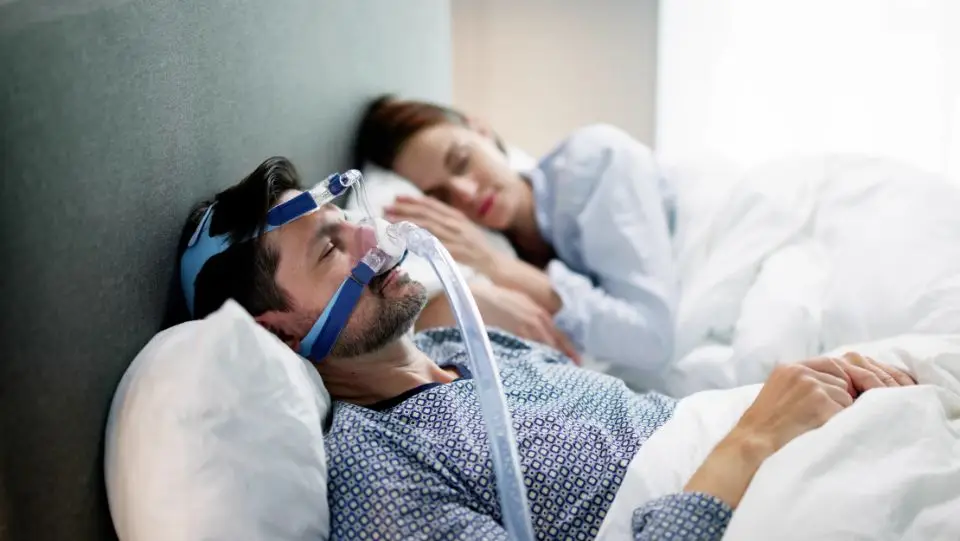
Whilst Continuous Positive Airway Pressure (CPAP) therapy remains the gold standard treatment for severe sleep apnoea, many patients struggle with compliance. Studies show that 30-50% of patients prescribed CPAP either cannot tolerate it or use it inconsistently. Custom oral appliances, combination therapy, and myofunctional exercises may offer highly effective alternatives that work with your body’s natural function.
For patients who struggle with CPAP, dental solutions may offer effective support:
- Custom Oral Appliances: These devices, similar to mouthguards, gently reposition the jaw forward during sleep to maintain an open airway. They’re particularly effective for mild to moderate sleep apnoea and for patients who cannot tolerate CPAP.
- Combination Therapy: For some patients, using both CPAP and oral appliances provides optimal benefits whilst improving overall compliance.
- Myofunctional Therapy: These targeted exercises strengthen the muscles of the tongue, soft palate, and throat, helping to keep airways open during sleep.
SHDC dentists have extensive training in sleep medicine and are qualified to work collaboratively with sleep physicians to provide these dental interventions.
When to Seek Professional Help
Whilst many aspects of sleep apnoea can be addressed through self-care, certain signs indicate the need for professional intervention:
- Severe daytime sleepiness affecting daily function
- High blood pressure despite medication
- Morning headaches that persist after lifestyle changes
- Witnessed breathing pauses lasting longer than 10 seconds
- Signs of right heart failure or cardiovascular complications
- Depression or cognitive changes related to poor sleep
At Sydney Holistic Dental Centre, our comprehensive approach to sleep apnoea includes detailed airway assessment, collaborative care with sleep specialists, and customised treatment options, allowing us to address both the symptoms and underlying causes.
Frequently Asked Questions
Q: How long does it typically take to see results with a holistic approach to sleep apnoea?
Many patients notice subjective improvements in sleep quality and daytime alertness within 1-2 weeks of beginning treatment. However, measurable improvements in sleep studies typically require 4-6 weeks, and some aspects of health recovery may continue for several months as your body adapts to better sleep quality.
Q: Are dental appliances for sleep apnoea covered by private health insurance?
Many Australian private health funds provide rebates for dental sleep appliances when prescribed for diagnosed sleep apnoea. The exact coverage depends on your level of extras cover. We can provide a quote with item numbers to check with your insurer before proceeding with treatment.
Q: Can children benefit from this holistic approach to sleep apnoea?
Absolutely. Early intervention for children showing signs of sleep-disordered breathing is crucial for proper development. Our approach for children focuses on addressing underlying causes like enlarged tonsils, adenoids, allergies, and jaw development issues, often in collaboration with ENT specialists.
Q: How does your approach differ from other dental practices regarding sleep apnoea?
Our practice takes a comprehensive 4-pillar approach rather than viewing sleep apnoea as a nighttime breathing disorder alone. We consider contributing factors like jaw position, airway anatomy, muscle function, inflammation, sleep hygiene, stress levels, and overall health. This integrated perspective allows us to develop more effective and personalised treatment plans addressing root causes rather than symptoms only.
Take the First Step Towards Better Sleep
Sleep apnoea is a serious health condition that deserves comprehensive attention. With the right holistic approach, you can address not simply the symptoms but the underlying causes, leading to better sleep, improved health, and enhanced quality of life.
Ready to address your sleep apnoea with a holistic approach? Book your consultation today: (02) 8188 3718
References
Sleep Health Foundation Australia. (2024). Sleep apnoea statistics and prevalence in Australia. Retrieved from https://www.sleephealthfoundation.org.au
Sutherland, K., et al. (2014). Oral appliance treatment for obstructive sleep apnea: An update. Journal of Clinical Sleep Medicine, 10(2), 215-227.
Camacho, M., et al. (2015). Myofunctional therapy to treat obstructive sleep apnea: A systematic review and meta-analysis. Sleep, 38(5), 669-675.